
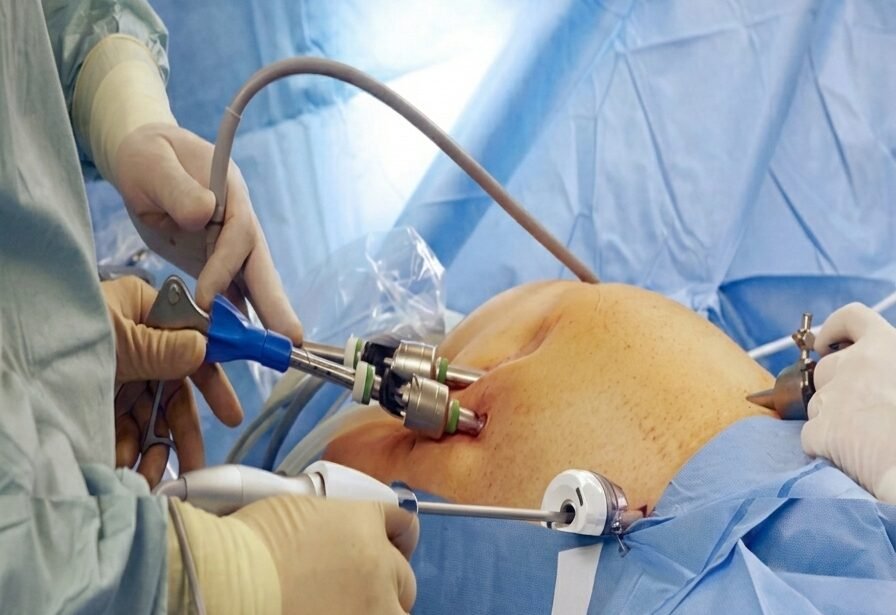
What is Hysteroscopy?
Hysteroscopy is a minimally invasive procedure in which a small telescope-like instrument is inserted through the cervix to view the inside of the uterus. It allows doctors to diagnose and treat uterine problems such as polyps, fibroids, adhesions, or a uterine septum without making external incisions.
Common Hysteroscopic Procedures
- Septal Resection: Removal of a uterine septum to improve the uterine cavity and support better fertility outcomes.
- Polypectomy: Removal of uterine polyps that may cause abnormal bleeding or affect implantation.
- Submucous Fibroid Resection: Removal of fibroids growing inside the uterine cavity, which may improve fertility and reduce abnormal bleeding.
Benefits
Hysteroscopic surgery can significantly improve fertility by correcting abnormalities inside the uterus. It may also help resolve abnormal uterine bleeding, improve embryo implantation, and support better outcomes in natural conception or assisted fertility treatments.
Key Benefits
- Personalized treatment protocols specifically designed for your condition.
- State-of-the-art technology and advanced medical procedures.
- Experienced team of specialists dedicated to your success.