
What is CTG?
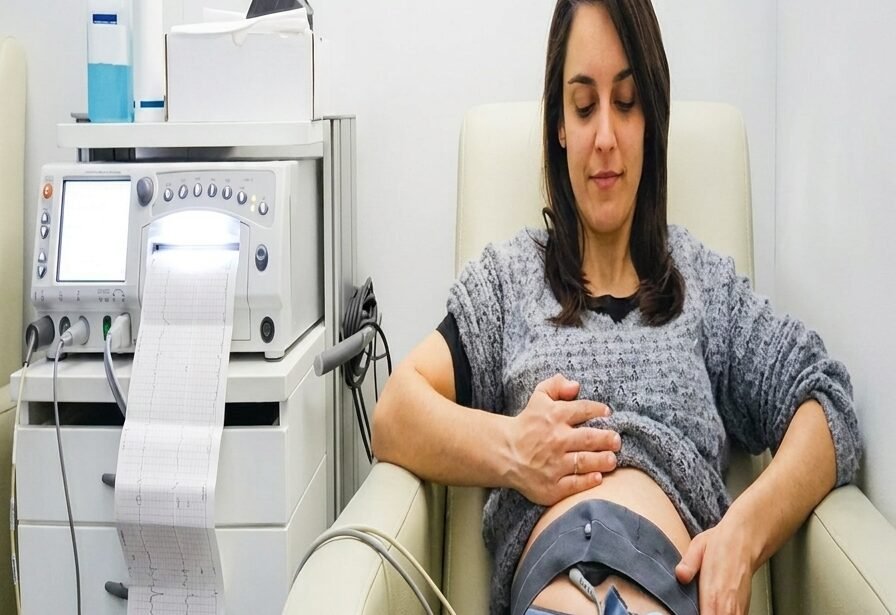
Cardiotocography (CTG) is a monitoring test used during pregnancy and labor to assess the baby’s wellbeing. It records the fetal heart rate and uterine contractions, helping doctors understand how the baby is responding before or during labor.
How It Works
During CTG monitoring, two sensors are placed on the mother’s abdomen. One sensor records the baby’s heart rate, while the other measures uterine contractions. The results help identify whether the baby is comfortable or showing signs of fetal distress or reduced oxygen supply.
When CTG May Be Recommended
- During labor to monitor the baby’s heart rate and contractions.
- In high-risk pregnancies requiring closer fetal surveillance.
- When reduced fetal movements are reported.
- For pregnancies with hypertension, diabetes, or growth concerns.
- To detect possible signs of fetal distress or hypoxia.
Key Benefits
- Personalized treatment protocols specifically designed for your condition.
- State-of-the-art technology and advanced medical procedures.
- Experienced team of specialists dedicated to your success.