
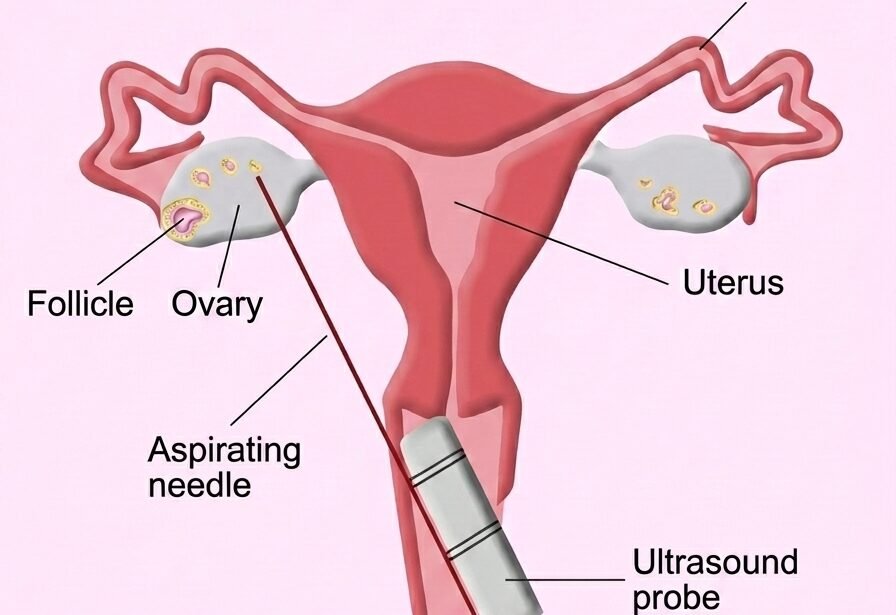
What is Ovulation Induction?
Ovulation induction is a medical treatment designed to stimulate the ovaries to produce and release one or more mature eggs during a menstrual cycle. This is achieved using oral or injectable fertility medications, with the goal of correcting irregular ovulation or enhancing egg quality and quantity for women struggling to conceive. The treatment is especially beneficial for women with conditions such as polycystic ovary syndrome (PCOS), irregular menstrual cycles, or unexplained infertility. It can also be used to optimize the timing of ovulation in women who ovulate regularly, thereby increasing the chances of successful conception.
Purpose of Ovulation Induction Techniques
The main objective is to restore or enhance natural ovulation, ensuring the release of mature eggs that are suitable for fertilization. Ovulation induction can be used as a standalone treatment or in combination with procedures like timed intercourse, intrauterine insemination (IUI), or in vitro fertilization (IVF), depending on individual fertility goals and underlying conditions.
Process: Consultation & Evaluation
A comprehensive evaluation is performed by our fertility specialists, including a detailed medical history, gynecological examination, and diagnostic tests to determine the underlying cause of ovulation issues and to tailor the treatment plan.
Process: Cycle Programming
The induction cycle is programmed based on the patient’s menstrual cycle and individual needs. Baseline hormone levels and ovarian reserve are assessed.
Process: Medication Administration
Oral medications such as Clomiphene Citrate and Letrozole or injectable gonadotropins such as FSH are prescribed to stimulate the ovaries. The choice and dosage of medication depend on the patient’s age, ovarian reserve, and response to previous treatments.
Process: Monitoring
Regular transvaginal ultrasounds and blood tests are conducted to track follicle growth and hormone levels. Monitoring helps optimize the timing of ovulation and reduces the risk of complications such as ovarian hyperstimulation syndrome (OHSS) or multiple pregnancies.
Process: Ovulation Trigger
When the leading follicle or follicles reach optimal size, an injection of human chorionic gonadotropin (hCG) is administered to trigger the release of mature eggs.
Process: Timed Intercourse or Assisted Procedure
Patients are advised on the best timing for intercourse. Alternatively, IUI or egg retrieval for IVF may be scheduled, depending on the treatment plan.
Process: Post-Procedure Care
Patients are monitored for ovulation and any side effects. Adjustments to medication or protocol are made as needed for subsequent cycles.
Process: Follow-Up & Monitoring
Ongoing follow-up ensures optimal outcomes, tracks menstrual regularity, and monitors for pregnancy or the need for further intervention.
Ideal Candidates
Ovulation induction is recommended for women who have irregular or absent ovulation, such as due to PCOS or hypothalamic dysfunction; experience unexplained infertility; have diminished ovarian reserve but still produce some eggs; or have partners with normal semen analysis or are using donor sperm.
Success Rate
Ovulation induction has a success rate of approximately 10–25% per cycle, influenced by factors such as age, underlying fertility issues, and egg and sperm quality. Multiple cycles may be necessary to achieve pregnancy.