
What is Mild Stimulation IVF?
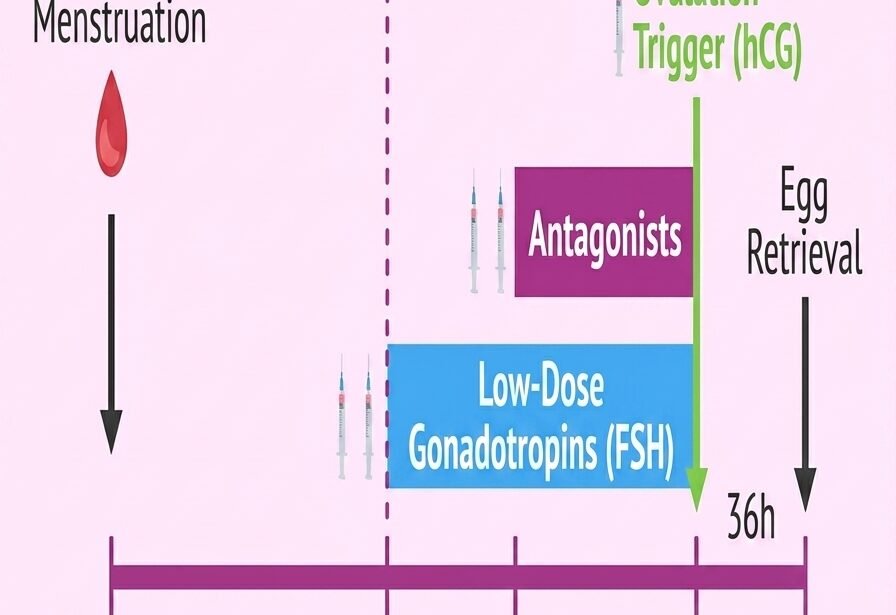
Mild Stimulation IVF involves using reduced doses of ovarian stimulation drugs to encourage the development of fewer, but higher-quality eggs in a woman’s natural menstrual cycle. Unlike conventional IVF, which aims to produce a large number of eggs through high-dose medications, mild IVF focuses on quality over quantity. This approach reduces the risk of ovarian hyperstimulation syndrome (OHSS) and lessens the physical and emotional burden on the patient while maintaining comparable success rates to traditional IVF.
Purpose of Mild Stimulation IVF
The primary goal is to work harmoniously with the body’s natural cycle to retrieve fewer but better-quality eggs, thereby improving embryo quality and implantation rates. Mild stimulation also aims to minimize medication side effects, shorten treatment duration to about two weeks, and reduce overall treatment costs. It is especially beneficial for women who want to avoid the risks and discomforts associated with high-dose fertility drugs.
Step-by-Step Process
- Consultation & Evaluation: A detailed assessment including medical history and ovarian reserve testing is conducted.
- Cycle Initiation: Treatment typically begins early in the cycle without hormone suppression.
- Ovarian Stimulation: Lower doses of fertility drugs are administered for 5–9 days.
- Monitoring: Regular ultrasounds and blood tests track follicle growth.
- Ovulation Trigger: A hCG or GnRH agonist injection triggers ovulation.
- Egg Retrieval: Minimally invasive procedure under sedation.
- Fertilization & Embryo Transfer: Fertilization in the lab followed by embryo transfer.
- Post-Procedure Care & Follow-Up: Monitoring for pregnancy and cycle outcomes.
Ideal Candidates
Candidates include women with normal or diminished reserve seeking fewer medications, patients with PCOS, those at risk of OHSS, couples with male-factor or unexplained infertility, and women under 35 preferring a gentler approach.
Success Rate
Studies show that mild stimulation IVF achieves pregnancy rates comparable to conventional IVF, with clinical pregnancy rates around 15–20% per cycle. While fewer eggs are retrieved, the quality tends to be higher, and implantation rates may improve due to a more favorable uterine environment.
Key Benefits
- Personalized treatment protocols specifically designed for your condition.
- State-of-the-art technology and advanced medical procedures.
- Experienced team of specialists dedicated to your success.